
Convocation Superseason: Denominational Gatherings, Sacred Learning, and the Formation of the Church
Every year, denominational gatherings unite thousands of believers for worship, theological learning, leadership development, and fellowship. This editorial explores the biblical foundation, practical value, and enduring significance of convocation season across the Christian Chu
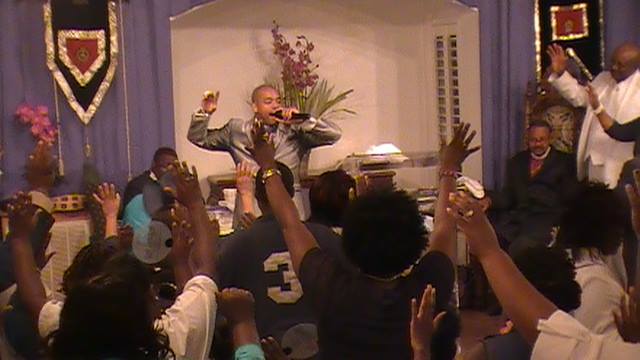
Every season has its rhythm within the life of the Church. Advent prepares believers for the celebration of the Incarnation. Lent invites reflection upon repentance and sacrifice. Pentecost reminds the Church of the empowering work of the Holy Spirit. Yet within the organizational life of many Christian traditions, another season quietly arrives each year that deserves thoughtful attention: convocation season. Across cities, convention centers, cathedrals, sanctuaries, and campuses, thousands upon thousands of pastors, bishops, missionaries, educators, musicians, evangelists, chaplains, theologians, entrepreneurs, and faithful church members gather to worship, deliberate, learn, and fellowship.
For many believers, these gatherings represent the largest annual family reunion of faith they will experience. They are places where lifelong friendships are renewed, ministries are encouraged, difficult conversations occur, new ideas emerge, and future leaders discover their calling. Properly understood, denominational gatherings are not merely organizational obligations. They are living expressions of Christian community.
Throughout the United States, this season includes major gatherings hosted by organizations such as the Church of God in Christ (COGIC), the National Baptist Convention, USA, Inc. (NBC USA), the Progressive National Baptist Convention (PNBC), the Christian Methodist Episcopal Church (CME), the African Methodist Episcopal Church (AME), the Pentecostal Assemblies of the World (PAW), the Pilgrim Assemblies International, numerous Missionary Baptist fellowships, the Southern Baptist Convention (SBC), the Presbyterian Church in America (PCA) and many other historic communions and fellowships throughout the global Church. Each tradition carries its own theological emphases, governance structures, worship practices, and historical witness. While these differences should be acknowledged honestly, they also reveal the remarkable diversity through which Christians seek to faithfully proclaim Jesus Christ.
The biblical foundation for gathering together reaches far beyond modern denominational structures. Throughout the Old Testament, Israel regularly assembled before God during appointed feasts and sacred convocations. Passover, Pentecost, and the Feast of Tabernacles brought families from throughout the nation to Jerusalem in remembrance, worship, covenant renewal, and communal instruction. These assemblies strengthened national identity, reinforced theological memory, and reminded God's people that they belonged to a covenant larger than their individual households.
Psalm 122 captures this spirit beautifully: "I was glad when they said to me, 'Let us go to the house of the Lord!'" These pilgrimages were not simply religious ceremonies. They cultivated shared identity, common worship, mutual accountability, and intergenerational learning.
The New Testament continues this pattern in different forms. The Book of Acts repeatedly describes believers gathering for prayer, teaching, fellowship, discernment, and decision making. Acts 15 records what is often called the Jerusalem Council, where apostles and elders assembled to address one of the earliest theological controversies confronting the Church. Rather than allowing confusion to divide the growing Christian movement, leaders met, listened, debated, searched the Scriptures, testified concerning God's work among the Gentiles, and arrived at a unified pastoral response. The gathering itself became part of God's means for preserving both truth and unity.
Modern convocations serve similar purposes when conducted faithfully. They provide opportunities for theological education that many local congregations cannot offer alone. Within a single week, participants may hear biblical exposition from seasoned preachers, attend workshops led by experienced practitioners, engage scholars discussing historical theology, explore innovations in Christian education, learn about missions, receive pastoral care training, discuss legal developments affecting churches, and strengthen administrative competencies necessary for faithful ministry in a rapidly changing society.
One of the greatest gifts of convocation season is exposure to theological brilliance. Throughout Christian history, the Church has benefited whenever thoughtful scholarship and Spirit-filled ministry have remained partners rather than competitors. Faithful preaching requires careful study. Sound doctrine requires disciplined interpretation. Wise pastoral leadership demands historical awareness, biblical literacy, emotional intelligence, organizational competence, and spiritual maturity. Convocations often become places where these gifts converge.
The Apostle Paul instructed Timothy, "Do your best to present yourself to God as one approved, a worker who has no need to be ashamed, rightly handling the word of truth" (2 Timothy 2:15). That instruction applies not only to individual ministers but also to the collective educational life of the Church. Denominational gatherings should strengthen biblical interpretation rather than replace it with personality, entertainment, or cultural trends.
Leadership formation is another significant contribution of these assemblies. Many pastors first encounter mentors during denominational meetings. Young ministers observe experienced leaders navigating difficult conversations with grace. Church administrators exchange practical solutions for governance and stewardship. Musicians sharpen one another through workshops and rehearsals. Missionaries establish partnerships. Seminary students discover opportunities for service. Organizational leaders identify emerging voices whose gifts may bless the broader Church for decades to come.
These gatherings also expose participants to the remarkable diversity of Christ's Body. Worship styles differ. Liturgical traditions vary. Choirs sing differently. Governance structures reflect unique histories. Yet faithful Christians from different regions and backgrounds gather under the common confession that Jesus Christ is Lord. Such encounters can deepen humility and expand one's appreciation for the ways God works across cultures and traditions.
At the same time, wisdom requires acknowledging that no convocation is perfect simply because it is large. Scripture repeatedly warns against confusing numerical success with spiritual faithfulness. Crowds alone do not authenticate doctrine. Popularity does not replace biblical truth. Organizational prestige does not exempt leaders from accountability. Every sermon, workshop, prophetic utterance, policy proposal, and theological claim should be examined carefully in light of Scripture. The Bereans were commended because they "received the word with all eagerness, examining the Scriptures daily to see if these things were so" (Acts 17:11). Genuine faith welcomes careful examination.
Convocation season therefore calls believers to become active learners rather than passive spectators. Participants should arrive prayerfully, notebook in hand, Bible open, and heart prepared to learn. They should ask thoughtful questions, verify biblical claims, seek counsel from mature leaders, and pursue conversations that continue beyond the worship service. Hallway conversations often become as formative as platform presentations. Meals shared across denominational lines frequently produce friendships that strengthen ministry for years to come.
There is also an important applicative dimension that deserves renewed attention. Churches should intentionally prepare delegates before they travel. Reading lists, theological discussion guides, leadership assignments, and post-convocation debriefings help ensure that what is learned becomes part of congregational life rather than remaining a collection of conference notes. Every attendee should ask, "How does this strengthen my church? How does this deepen my discipleship? How does this help me serve my community more faithfully?"
Likewise, organizations should continue expanding opportunities for practical ministry formation. Workshops on pastoral care, financial stewardship, mental health, Christian education, evangelism, technology, publishing, church law, digital communication, community development, disaster response, and leadership succession increasingly complement traditional preaching services. The strongest convocations recognize that faithful ministry requires both theological depth and practical wisdom.
The fellowship experienced during these gatherings should also model the reconciling work of the Gospel. Christians from different racial backgrounds, economic circumstances, educational experiences, and ecclesiastical traditions often find themselves worshiping together, sharing meals together, and praying for one another. In a fragmented society, such moments bear witness to the reconciling power of Christ. Jesus prayed "that they may all be one... so that the world may believe that you have sent me" (John 17:21). While organizational unity does not require institutional uniformity, Christian love should always transcend unnecessary division.
Perhaps the greatest lesson convocation season teaches is that the Church has always been a learning community. The people of God gather not simply to preserve traditions but to grow in faithfulness. They assemble to worship the living God, encourage one another, discern the times, confront challenges honestly, strengthen future leaders, and return home better equipped to love God and serve their neighbors.
As another convocation season unfolds across traditions including COGIC, NBC USA, PNBC, AME, CME, PAW, Greater Churches of Deliverance, Pilgrim Assemblies International, Missionary Baptist fellowships, the Southern Baptist Convention, Presbyterian communions, and many others, may believers embrace these gatherings with gratitude, discernment, and holy expectation. May preaching remain anchored in Scripture. May scholarship remain faithful to Christ. May leadership remain accountable. May fellowship remain genuine. May every conversation lead not merely to admiration of gifted people but to greater devotion to the Lord of the Church.
For when the Church gathers in truth, humility, worship, and faithful obedience, convocation becomes more than an annual meeting. It becomes a living testimony that God's people continue to learn, grow, and serve together until the day when every tribe, tongue, people, and nation gathers before His throne in everlasting worship.
Keep reading
 Reportedpartner
One Gospel, Two Histories: Why African and African American Christians Often See Politics Differently
African and African American Christians share one Gospel while carrying different historical memories. This editorial explores persecution, justice, political theology, and why deeper theological formation is essential for faithful global Christian dialogue.
 Reportedpartner
Not Everyone Following You Is Following You: Toxic Followers Chronicles
Not everyone who follows a leader is following to learn. This editorial explores toxic followership, intellectual property, ethical competition, discernment, governance, and biblical stewardship for Christian leaders navigating ministry, publishing, business, and the digital age.
 Reportedpartner
What Memorials Teach Us About the People We Love
Memorials help us see the people we love more completely. They remind us that every life carries a legacy of faith, sacrifice, wisdom, and love that deserves to be remembered, preserved, and lived forward.
Loading comments…