
What the Church Owes Christian Athletes: Healing, Wealth, Power, and Marketplace Ministry Beyond “Godball”
Christian athletes cannot save the Church, but the Church must stop using their influence without forming their inner lives. Athletes need healing, theology, stewardship, and discipleship for wealth, power, race, performance, and marketplace ministry.
What the Church Owes Christian Athletes: Healing, Wealth, Power, and Marketplace Ministry Beyond “Godball”
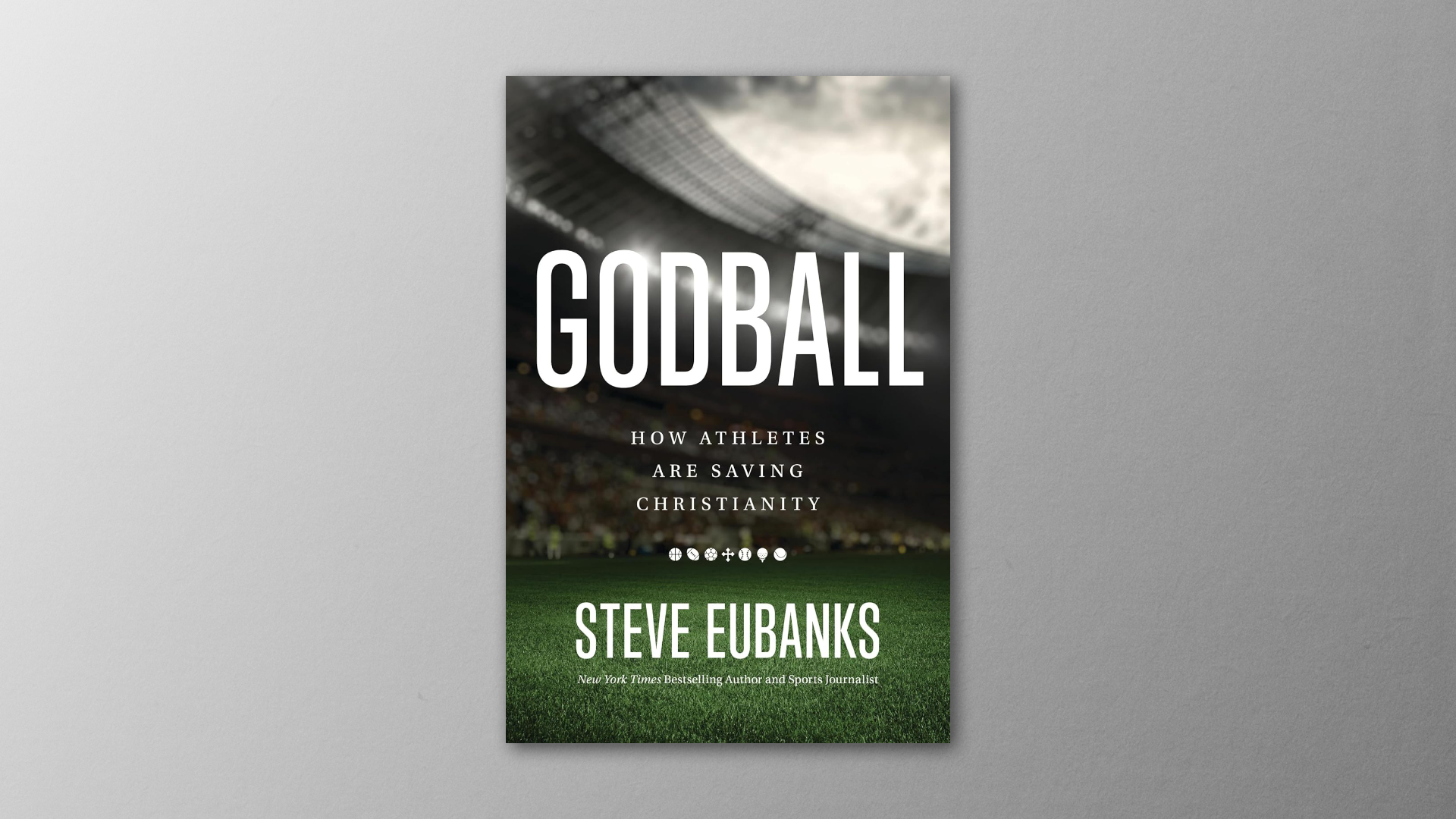
The discussion surrounding Steve Eubanks’s Godball: How Athletes Are Saving Christianity raises an important question concerning the public witness of Christian athletes. The Gospel Coalition’s review rightly challenges the suggestion that athletes are somehow saving Christianity. Jesus Christ saves. The Gospel does not depend upon celebrity visibility, athletic accomplishment, cultural popularity, or the approval of prominent personalities. The Church should never assign to athletes a redemptive responsibility that belongs to Christ alone.
Yet the conversation remains incomplete when it asks only what Christian athletes can and cannot do for the Church. A more demanding question must follow: What is the Church responsible for doing for Christian athletes?
The Church has frequently benefited from the testimonies, platforms, cultural credibility, financial generosity, and public visibility of athletes without developing an equally serious theology of their formation. We celebrate the athlete who kneels after victory, points toward heaven after scoring, quotes Scripture during an interview, funds a ministry, or appears at a Christian conference. We may be less prepared to walk with that same athlete through childhood wounds, racial pressure, bodily exploitation, family instability, sudden wealth, public failure, emotional exhaustion, career transition, injury, retirement, or the private confusion produced by being loved for performance.
The athlete is not merely a platform.
The athlete is a person made in the image of God.
The athlete has a soul before the athlete has a statistic. The athlete carries a body before carrying a brand. The athlete possesses a calling before signing a contract. Any Christian theology of sport that values public testimony without tending to the whole human being remains too thin for the demands of discipleship.
The Athlete Must Be More Than a Christian Mascot
Jason Romano’s warning that Christian athletes should not become mascots for a cause deserves careful attention. Athletes are often turned into symbols by people who have no responsibility for their long-term formation. The political right may use them as evidence that traditional Christianity remains culturally powerful. The political left may use them as evidence of progress, representation, or resistance. Corporations may use them to reach consumers. Churches may use them to attract audiences. Ministries may use their testimonies to validate programs.
Everyone may benefit from the athlete while few remain present when the athlete is no longer winning.
This is precisely where the Church must offer a different model. Christian community should not consume athletic visibility. It should cultivate Christian maturity. The Church’s responsibility is not merely to secure the athlete’s endorsement of the faith but to help the athlete become a healed, thoughtful, disciplined, accountable, and compassionate follower of Jesus Christ.
Paul’s language concerning the body is especially appropriate for athletes: “Do you not know that your body is a temple of the Holy Spirit within you, whom you have from God?”¹ The body is not merely machinery for competition. It is not merely a commodity owned by teams, sponsors, universities, agents, audiences, or leagues. The body is sacred stewardship.
This truth has liberating force. Athletes may be compensated for what their bodies can do, but their human worth can never be reduced to bodily output. Their value does not rise and fall with the scoreboard. Their identity does not expire when speed decreases, injuries increase, or contracts end. The Gospel liberates the athlete from the lie that performance is personhood.
The Inner Work of Healing Must Accompany Public Witness
Many athletes arrive at public success carrying private pain. Some have endured poverty, family disruption, abandonment, violence, racial discrimination, unstable schooling, or the pressure of becoming a household’s economic hope. Some have been trained from childhood to conceal pain, suppress fear, tolerate injury, and perform strength. The same disciplines that help an athlete survive competition may make it difficult to acknowledge emotional needs.
A Christianity concerned only with what athletes say publicly may overlook what they are carrying privately.
The healing work of discipleship must therefore include prayer, pastoral care, counseling, theological education, accountable relationships, emotional development, and, where appropriate, licensed therapeutic support. Prayer and counseling do not compete. Scripture and psychological insight do not have to become enemies. God may heal miraculously, gradually, relationally, medically, therapeutically, or through several forms of care operating together.
Jesus asked the man near the pool, “Do you want to be healed?”² That question addressed more than physical condition. Healing often requires the reconstruction of identity, agency, trust, expectation, and relationship. Christian athletes need communities where they can answer that question without being punished for honesty.
The athlete who publicly speaks of faith should not be expected to maintain an image of permanent emotional victory. Lament is biblical. Weariness is human. Grief does not cancel faith. Confession is not failure. Some of the strongest testimonies will not emerge from athletes who pretend never to struggle but from those who allow Christ to meet them truthfully inside the struggle.
Howard Thurman wrote of the necessity of listening for “the sound of the genuine” within oneself.³ Christian formation helps athletes distinguish the person God created from the public identity constructed by competition, spectatorship, media, and money. This is not self-worship. It is stewardship of the person God formed.
Sport Is Marketplace Ministry
Sport should not be treated as secular space temporarily interrupted by Christian speech. It is a marketplace vocation within the larger created order of God.
The biblical witness does not confine meaningful calling to the sanctuary. Joseph exercised administrative leadership in Egypt. Daniel served inside imperial government. Lydia operated in commerce. Bezalel expressed Spirit-filled craftsmanship. Paul combined apostolic ministry with skilled labor. Their work became part of their witness because the reign of God addresses the whole human experience.
Sport belongs inside this larger theology of vocation.
The court, field, track, gymnasium, locker room, training facility, broadcast studio, agency, front office, and athletic department are places where human character, economic systems, racial realities, physical limits, power relationships, labor questions, and cultural values become visible. Christian athletes minister not only when they speak into a microphone about Jesus. They minister through the ethics of their work.
They minister through how they treat teammates.
They minister through how they respond to defeat.
They minister through how they handle success.
They minister through how they respect support staff.
They minister through whether they protect vulnerable players.
They minister through how they steward money.
They minister through their response to racial injustice.
They minister through whether their private lives can carry the weight of their public confession.
This does not mean that every athletic action should be forced into religious language. It means that athletic vocation can be submitted to the Lordship of Christ. Excellence, discipline, teamwork, courage, resilience, fairness, bodily stewardship, and care for others can become visible expressions of marketplace discipleship.
Martin Luther’s understanding of vocation challenged the idea that only explicitly ecclesial work possesses spiritual significance. Ordinary labor becomes holy when performed faithfully before God and for the good of the neighbor.⁴ The Christian athlete’s work may therefore serve the neighbor by creating communal joy, mentoring young people, expanding economic opportunity, supporting families, funding institutions, challenging injustice, and modeling disciplined perseverance.
Sport is not the Gospel. Yet sport can become one of the places where the Gospel forms a person publicly.
Wealth Requires Discipleship Before It Requires Management
The path from limited exposure to sudden wealth can be emotionally, relationally, and spiritually disorienting. An athlete may acquire resources faster than the athlete acquires the maturity, knowledge, relationships, or internal stability required to steward them. The Church must not treat this only as a financial-literacy problem. Wealth is also a theological, psychological, familial, and social reality.
Money changes relationships. It exposes expectations. It attracts opportunities and manipulation. It may provide liberation from poverty while introducing fear of loss. It may strengthen families while also making the athlete responsible for needs far beyond any single person’s capacity. Wealth may become a tool for justice, generosity, ownership, and community development. It can also become an instrument of self-destruction, exploitation, isolation, or idolatry.
Paul did not say money itself is the root of all evil. He warned that “the love of money is a root of all kinds of evils.”⁵ The problem is not possession alone. The problem is disordered relationship.
Christian athletes need discipleship that prepares them for the spiritual responsibilities of wealth before wealth arrives. They need trusted financial education, ethical advisors, estate planning, tax understanding, protection from predatory relationships, and a theology of generosity that does not leave them vulnerable to religious manipulation.
Church leaders should never view successful athletes primarily as donors. An athlete’s wealth does not make the athlete public property. Christian stewardship does not mean that every ministry request deserves a yes. Generosity must be accompanied by discernment. The athlete should be taught to give freely without being guilted, to build responsibly without being condemned, and to invest in structures capable of outliving athletic fame.
Liberation theology asks who benefits from social and economic arrangements. That question belongs in sport. Who benefits from the athlete’s labor? Who controls the athlete’s image? Who profits from the athlete’s risk? Which communities provide talent but receive little institutional reinvestment? What happens to young people whose bodies generate income for organizations before they possess meaningful economic power themselves?
These are not distractions from discipleship. They are practical theological questions concerning justice, labor, dignity, and stewardship.
Christian Athletes Must Be Formed for Power
The Church often prepares believers to survive adversity but gives insufficient attention to surviving success. Suffering certainly tests faith, but so do access, praise, wealth, beauty, strength, influence, and authority.
Power magnifies the condition of the inner life.
Athletes may gain the ability to influence millions while still developing the emotional maturity required to govern themselves. Their words may move markets. Their decisions may shape youth culture. Their relationships may become public examples. Their endorsements may legitimize institutions, products, ideologies, and ministries.
This level of influence requires more than good intentions.
It requires formation.
The biblical record repeatedly demonstrates that promotion can reveal unresolved weakness. David survived Saul’s hostility but later abused kingly power. Solomon received wisdom and wealth yet became compromised through disordered desire. Uzziah became strong and then grew proud. Their stories warn us that public success never removes the need for private accountability.
Jesus asked, “What does it profit a man to gain the whole world and forfeit his soul?”⁶ That question belongs wherever fame and wealth are created. It is not an argument against achievement. It is a warning against success that hollows out the person receiving it.
Christian athletes need mentors who are not impressed by celebrity. They need pastors who will tell the truth. They need friends who knew them before the applause and can remain honest during it. They need counsel that protects marriages, children, bodies, reputations, finances, and souls. They need a theology of power that teaches service rather than domination.
Jesus redefined greatness by declaring, “Whoever would be great among you must be your servant.”⁷ Athletic greatness must therefore become more than superiority in competition. Under Christ, greatness becomes disciplined strength offered for the good of others.
Race Cannot Be Removed from the Conversation
Any account of American sport that suggests Christian athletes rarely think about race is historically and sociologically inadequate. Race has shaped access, labor, representation, ownership, media narratives, fan expectations, education, policing, neighborhood resources, and the bodily interpretation of athletes.
Black athletes in particular have often been celebrated for physical excellence while their intellectual, political, spiritual, and moral voices were treated as intrusive. They were welcomed as performers but criticized as interpreters of society. Their bodies could entertain the nation, but their analysis of the nation was frequently dismissed.
Christian discipleship cannot demand silence about realities that wound the neighbor.
The prophetic tradition consistently joins worship with justice. Amos rejects religious performance disconnected from righteousness and calls for justice to “roll down like waters.”⁸ Micah joins walking humbly with God to doing justice and loving mercy.⁹ Jesus announces good news to the poor and liberty to the oppressed.¹⁰ Christian witness must therefore address both personal redemption and the conditions that repeatedly injure human communities.
Liberation theology does not require the Church to replace the Gospel with political ideology. It requires the Church to take seriously the biblical testimony that God hears the oppressed, judges injustice, liberates captives, restores dignity, and calls His people to public righteousness.
Christian athletes should be discipled to think carefully about race rather than pressured either to speak beyond their understanding or remain silent for the comfort of others. Their witness should be truthful, biblically grounded, historically informed, humble, and courageous.
Young Believers Are Watching the Whole Life
Christian athletes occupy a powerful place in the moral imagination of young people. Many children encounter athletes long before they encounter theologians, scholars, business leaders, or denominational executives. They study their movement, language, clothing, discipline, confidence, mistakes, celebrations, and responses to pressure.
This creates a serious opportunity for Christian witness, but it also creates responsibility.
Young believers should not be taught that faith guarantees victory, fame, wealth, scholarships, contracts, or championships. They should see that Christian faith gives meaning inside victory and defeat. The athlete’s example can teach that discipline matters, preparation matters, teamwork matters, recovery matters, character matters, and failure does not have to become final identity.
Paul drew upon athletic imagery when he wrote of running to obtain the prize and disciplining the body rather than being mastered by it.¹¹ The metaphor works because athletic preparation makes invisible formation visible. The race reveals the training. The game reveals the practice. Pressure reveals what repetition has formed.
Christian athletes can help young believers understand that faithfulness is developed through repeated choices. Prayer before the public moment matters. Character outside the camera matters. Academic preparation matters. Rest matters. Listening matters. Healing matters. Learning how to lose without losing oneself matters.
Athletes cannot become substitutes for parents, pastors, educators, or local churches. Yet their lives can become public parables. They can show young people that strength does not require cruelty, masculinity does not require emotional emptiness, wealth does not require selfishness, competition does not require hatred, and faith does not require the denial of struggle.
Athletes Are Not Saving Christianity, but Their Formation Still Matters
Christian athletes cannot save Christianity because Christianity does not need rescue from athletes. The Church belongs to Jesus Christ. Its future is held by the One who declared that the gates of hell would not prevail against it.¹²
But athletes matter.
Their souls matter.
Their bodies matter.
Their families matter.
Their wealth matters.
Their wounds matter.
Their public witness matters.
Their retirement matters.
Their life after sport matters.
The Church should therefore refuse two errors. It should refuse to idolize Christian athletes as cultural saviors, and it should refuse to use their influence while neglecting their formation.
A mature Christian sports movement will not merely produce athletes who know what to say after victory. It will cultivate disciples who know who they are when victory is absent. It will prepare them to handle suffering and success, poverty and wealth, anonymity and visibility, competition and community, physical excellence and bodily limitation.
The Church must become more than a beneficiary of athletic testimony. It must become a healing, teaching, praying, counseling, and accountable community capable of walking with athletes through the whole human journey.
The question is not only what Christian athletes can do for the Church.
The question is whether the Church will love Christian athletes enough to prepare them for the extraordinary demands of their calling.
When that work is taken seriously, sport can become more than entertainment, branding, or cultural warfare. It can become a field of marketplace ministry where healed and maturing believers demonstrate discipline, justice, humility, excellence, stewardship, and faithful courage before a watching generation.
The athlete does not save the Church.
But through the faithful formation of the Church, the athlete may become a powerful witness to the saving, healing, liberating, and transforming grace of Jesus Christ.
Notes
1 Cor. 6:19–20 (English Standard Version).
John 5:6 (ESV).
Howard Thurman, The Sound of the Genuine: A Journey into Memoir, ed. Paul Harvey and D. E. Walden (Richmond, IN: Friends United Press, 2015), 104–6.
Martin Luther, Luther’s Works, vol. 45, The Christian in Society II, ed. Walther I. Brandt (Philadelphia: Fortress Press, 1962), 39–41.
1 Tim. 6:10 (ESV).
Mark 8:36 (ESV).
Mark 10:43 (ESV).
Amos 5:24 (ESV).
Mic. 6:8 (ESV).
Luke 4:18–19 (ESV).
1 Cor. 9:24–27 (ESV).
Matt. 16:18 (ESV).
Keep reading
 Reportedpartner
One Gospel, Two Histories: Why African and African American Christians Often See Politics Differently
African and African American Christians share one Gospel while carrying different historical memories. This editorial explores persecution, justice, political theology, and why deeper theological formation is essential for faithful global Christian dialogue.
 Reportedpartner
Convocation Superseason: Denominational Gatherings, Sacred Learning, and the Formation of the Church
Every year, denominational gatherings unite thousands of believers for worship, theological learning, leadership development, and fellowship. This editorial explores the biblical foundation, practical value, and enduring significance of convocation season across the Christian Chu
 Reportedpartner
Not Everyone Following You Is Following You: Toxic Followers Chronicles
Not everyone who follows a leader is following to learn. This editorial explores toxic followership, intellectual property, ethical competition, discernment, governance, and biblical stewardship for Christian leaders navigating ministry, publishing, business, and the digital age.
Loading comments…